
Why are Birkenstocks so expensive? An analysis of the reasons behind their price
A pair of leather Birkenstock Arizona sandals costs more than a pair of high-end sneakers. This observation often surprises customers at checkout. The price of Birkenstock is not based on a single factor, but on a combination of industrial and commercial choices that the German brand has embraced for decades.
German manufacturing and cork sole: what makes production expensive
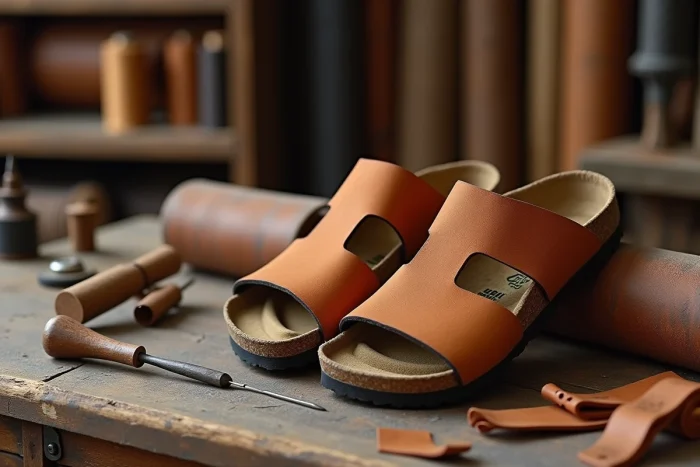
Birkenstock manufactures its sandals in Germany. This choice has a direct impact on labor costs, which are significantly higher than in countries where most mass-market shoes are assembled.
The sole rests on a footbed made of cork and natural latex. These materials are not synthetic. Their sourcing, processing, and assembly require specific expertise, passed down in the brand’s factories since its inception.
Have you ever noticed the weight of a Birkenstock compared to a classic flip-flop? This density comes directly from the amount of material used. The leather (when chosen) undergoes tanning, which adds another expense. Each pair incorporates several layers of natural materials, from cork to jute to the suede of the inner lining.
Those wondering why Birkenstocks are so expensive will find part of the answer in this accumulation of quality raw materials, processed in a country with high production costs.

Full price policy: Birkenstock refuses the promotion wars
Most shoe brands participate in sales, flash sales, and ongoing clearance events. Birkenstock makes the opposite choice.
The brand primarily practices full-price sales, with very few massive discounts. It selects its retailers and develops its own direct sales through its website and stores. This strict control of distribution channels prevents retailers from slashing prices to clear stock.
The result for the customer is clear: the displayed price is almost always the price paid. No false bargains, no 50% discounts that suggest the initial price was inflated. This pricing discipline protects the perceived value of the product in the long term.
Margins that reflect a premium positioning
Birkenstock boasts an adjusted EBITDA margin of over 30%. For a shoe brand accessible in general stores, this level is rare. A portion of the price paid by the customer thus finances the brand’s profitability, not just the cost of materials or manufacturing.
This business model resembles that of a luxury house more than that of a sandal manufacturer. The brand embraces this positioning and does not seek to hide its margins.
Birkenstock prices in France: why pay more than in Germany
A detail that many consumers overlook: Birkenstocks often cost less in Germany than in France or other European countries.
Why this gap? The brand benefits in Germany from lower distribution costs, as the factories and warehouses are local. Logistics, import fees, and local distributor margins add up as soon as you cross a border.
Significant price differences also exist between European and North American markets. A model sold for around 100 euros in Germany can exceed that amount in the United States or Canada, once taxes and shipping are included.
- In Germany, the proximity of factories and a network of owned stores reduce intermediary costs
- In France, retailer margins and logistics costs inflate the final price
- In the United States, customs duties and exchange rates add an additional layer to the price
Luxury collaborations and fashion effect: price rises with desirability
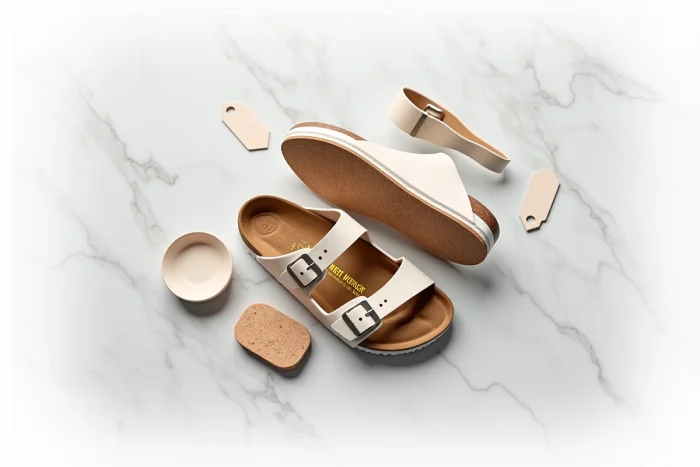
Birkenstock has multiplied collaborations with luxury brands in recent years. Partnerships with high-end fashion houses have propelled certain models to prices well above the usual range.
These limited editions represent only a fraction of sales, but they elevate the brand image. When a Birkenstock sandal appears on a runway or on a celebrity’s feet, the perception of the standard price changes. A model priced at 120 euros suddenly seems reasonable compared to a co-branded version costing several hundred euros.
This mechanism works both ways. The brand attracts new customers through its visibility in the luxury world while retaining those who buy classic models. The commercial success is measurable: Birkenstock’s revenue growth exceeds 20% in some recent years, despite a context of widespread inflation.
Sustainability and cost per use
A common argument among regular wearers is: a well-maintained pair of Birkenstocks lasts for years. The cork can be resoled, the buckles can be replaced, and the leather ages without deteriorating.
When spread over the number of years of use, the actual cost of a Birkenstock decreases significantly. A pair worn daily for five years costs just a few cents per day. This calculation only works if the owner maintains their sandals and avoids synthetic material versions, which are less durable.
- The cork footbed can be refurbished by a cobbler
- Leather straps last longer than synthetic versions
- Worn-out soles can be replaced without changing the entire shoe
The high price of Birkenstocks is due to a precise combination: European manufacturing, natural materials, a no-discount pricing policy, intentionally high margins, and the halo effect of luxury collaborations. The customer pays as much for the brand strategy as for the sandal itself. It remains for each individual to decide whether the product’s longevity justifies the initial investment or if a less expensive alternative serves the same purpose daily.